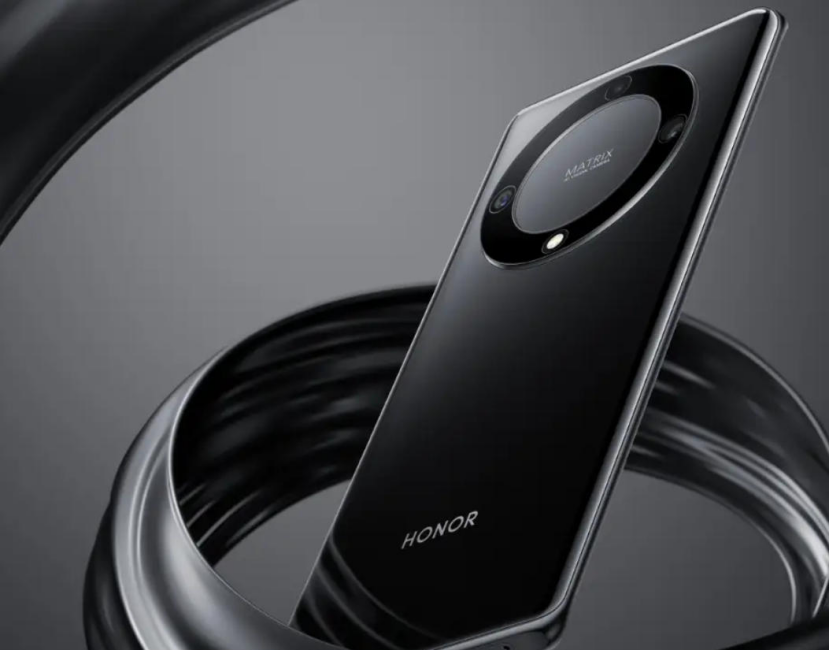
Smartphones are designed for communication and productivity, yet many people rely on them for something more personal: comfort. These devices sit within reach at all times, hold memories, keep people connected, and offer instant distraction when emotions feel heavy. Over the years, phones have evolved into familiar companions that reduce uncertainty and anchor daily routines. Their role expands beyond function to emotional reassurance, creating a sense of stability during stress or loneliness. Even a device built for practicality—such as the HONOR X5b plus—can take on this comforting role simply through everyday use, long battery life, and consistent performance that keeps the device reliable whenever someone reaches for it.

Why Smartphones Feel Like Extensions of Personal Space
A Storage Hub for Memories and Identity
Smartphones act as emotional containers, holding thousands of photos, messages, notes, and reminders. These digital records document daily life and form a timeline of experiences that people revisit when they need reassurance. The consistency of access matters: when a phone provides enough storage or expandable memory, individuals feel confident that their moments are protected. This is one reason many users appreciate the large capacity options found in devices like the HONOR X5b plus smartphone. With 128GB onboard and support for additional MicroSD expansion, the device becomes a secure vault for memories. As individuals return to old messages or images during moments of reflection, the phone gradually becomes linked to their emotional wellbeing.
Constant Accessibility Reinforces a Feeling of Safety
A major source of comfort comes from knowing help or connection is only one tap away. Smartphones remain close during commutes, quiet evenings, and emergencies, functioning like a modern reassurance tool. A device that remains powered for long hours strengthens this sense of stability. The long-lasting 5200mAh battery on the HONOR X5b plus enables extended browsing or messaging sessions without worry. When people trust their phone to remain available, they associate the device with reliability—and reliability often transforms into emotional dependence. Even gestures such as unlocking the screen with a side fingerprint button contribute to making the device feel reassuringly responsive.
Personalized Routines Build Emotional Familiarity
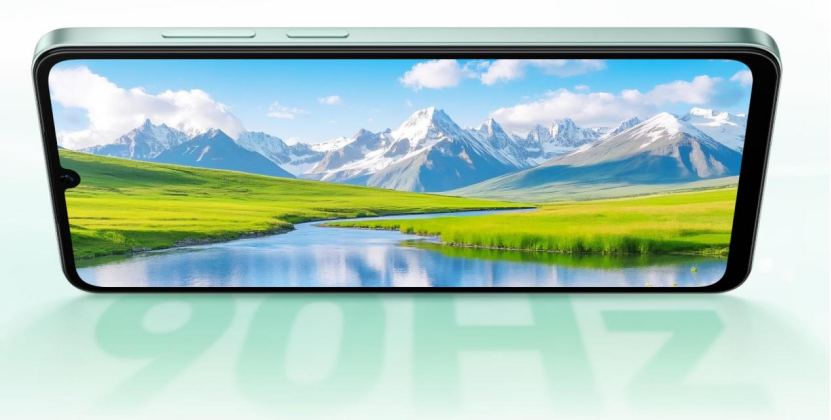
Every smartphone becomes unique through custom settings, apps, and usage patterns. Over time, people embed routines within their device: morning news, evening calls, health tracking, and reminders. This personalization creates a predictable rhythm that provides comfort during stressful days. A smooth user experience also reinforces this routine. Features like the HONOR X5b plus’ high refresh rate screen and efficient processor create seamless navigation, allowing individuals to fall into familiar interactions without interruption. As the device becomes integrated into daily rituals, it forms a subtle but meaningful emotional tie through repeated positive interactions.
How Digital Interaction Helps People Cope with Emotions
Distraction Offers Relief During Difficult Moments
Many people instinctively reach for their phones when they feel anxious, overwhelmed, or stressed. The device offers instant access to social media, games, messages, or calming videos. This distraction helps interrupt negative thought patterns and temporarily reduces emotional intensity. Smooth performance is important here, because lag-free browsing encourages people to lean on the device for comfort more often. With its efficient eight-core processor and display optimized for long viewing sessions, the HONOR X5b plus handles these tasks without friction. Even simple features like dark light eye protection or dynamic dimming reduce strain, allowing the device to remain comfortable to use during late-night scrolling sessions.
Connection Supports Emotional Regulation
Human beings seek connection during moments of uncertainty, and smartphones enable instant communication with friends, family, or support networks. A reassuring message or voice note can quickly lift someone’s mood. When a phone handles communication reliably, it becomes a conduit for emotional support. The HONOR X5b plus strengthens this experience by offering long standby capability through its power-saving mode, ensuring that individuals remain reachable even when battery levels drop. Small design choices like this contribute quietly to the phone’s role as a comfort object—not by being flashy, but by being present.
Predictable Performance Helps Create Mental Stability
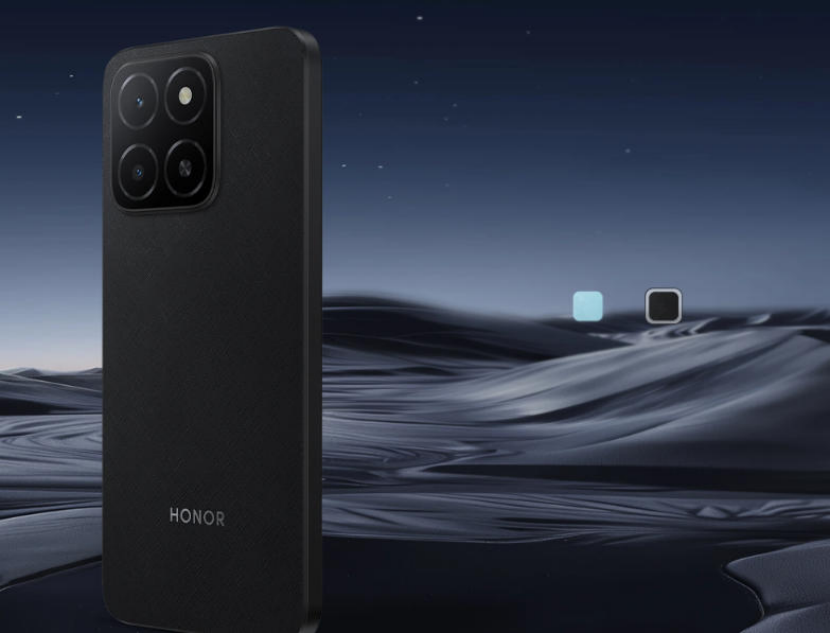
Comfort objects, whether physical or digital, provide predictability. When a smartphone functions smoothly and consistently, it becomes part of the emotional scaffolding that people use to navigate daily life. A stable screen, clear visuals, and intuitive interactions help maintain this feeling. For example, the large 6.56-inch display on the HONOR X5b plus offers a wide, clear view for reading, watching, or browsing. Even features such as the Magic Capsule—which surfaces information at a glance—contribute to a sense of effortless control. The more reliable the device feels, the more likely users are to depend on it for emotional grounding.
Conclusion
Smartphones evolve into emotional comfort objects because they store personal memories, offer constant access to connection, and provide predictable tools for distraction or stability during stressful moments. These patterns emerge naturally from everyday use rather than from deliberate design. A device such as the HONOR X5b plus fits into this behavior seamlessly: its long battery life, responsive performance, generous storage, and eye-friendly display all help the phone remain dependable whenever someone reaches for it. As users continue integrating their phone into daily routines, it becomes more than a tool—it becomes a stable companion that supports emotional awareness, connection, and comfort.