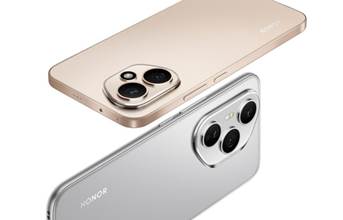
Smartphones influence short-term memory recall by altering how people focus, store information, and handle quick tasks throughout the day. Short-term memory works best when attention remains steady and mental space is uncluttered. Smartphones introduce new behaviors that shift how attention flows, how often information is rehearsed, and how quickly the brain retrieves details. These effects appear subtly in daily life—such as forgetting small items, losing track of conversations, or relying on the device instead of mental recall. These changes do not necessarily harm memory, but they reshape how the brain practices it. Smooth, organized devices, including some models from Honor, help support healthier information flow during everyday use.
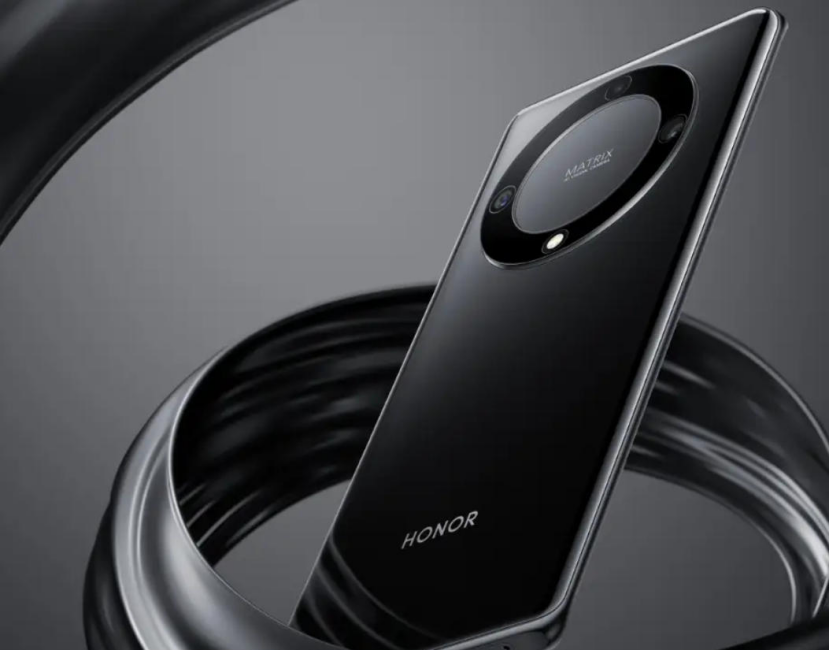
How Smartphones Change Attention Patterns That Affect Memory
Frequent Notifications Interrupt Encoding
Short-term memory depends heavily on encoding—the moment when the brain receives and stores new information. Smartphones interrupt this process when alerts or vibrations appear unexpectedly. Even brief glances at the screen pull attention away from a task. Once the focus shifts, the brain may struggle to complete the encoding step, making the information harder to recall later. This effect happens even when interruptions last only a second. People may believe they are multitasking, but the brain processes events sequentially, not simultaneously. As a result, these micro-disruptions reduce clarity and retention, shaping how well details remain accessible in short-term memory.
Digital Convenience Reduces Mental Rehearsal
Rehearsal strengthens short-term memory, but smartphones often replace this natural repetition by providing instant access to stored facts. People rely on notes, photos, reminders, and apps instead of recalling information mentally. This convenience shifts cognitive effort away from the memory system. For example, instead of memorizing an address or phone number, users look it up repeatedly. Over time, the brain performs less internal recall. This does not weaken memory permanently, but it changes the practice that supports quick retrieval. A well-organized device encourages intentional recall by presenting information clearly without overwhelming the user, allowing mental rehearsal to occur more easily.
Task Switching Limits Consolidation
Short-term memory requires brief quiet periods for consolidation. Smartphones encourage rapid switching between apps, messages, and content streams. Each switch resets attention, disrupting the consolidation process. The brain tries to store new information while simultaneously shifting tasks, leading to fragmented memory traces. These interruptions make details fade faster. The person may remember the general idea but forget specifics. This effect grows stronger when switching happens frequently throughout the day. A phone that supports stable, predictable navigation helps reduce unnecessary switching, giving the brain more time to consolidate before moving on to the next activity.
How Smartphones Change Information Storage and Retrieval Behavior
External Storage Replaces Internal Recall
People treat smartphones as external memory storage. They save everything—lists, passwords, locations, instructions—knowing they can retrieve the data at any time. This reduces pressure on the brain to retain information internally. While this approach provides convenience, it shifts the balance between mental memory and digital memory. Individuals rely more on retrieval tools than on mental recall. A natural recommendation fits here: the HONOR X9a smartphone offers a clean interface that helps users organize notes and details without clutter, supporting a healthier balance between stored information and mental recall.
Constant Inputs Compete for Cognitive Space
Short-term memory holds only a small amount of information at once. Smartphones present continuous input through messages, images, and updates. Each new piece competes for space in the mental buffer. This competition pushes out earlier details before they have time to consolidate. The brain adapts by focusing only on the most immediate information. This pattern shapes recall by prioritizing rapid intake rather than thoughtful processing. A smartphone that keeps content easy to navigate reduces cognitive overload, giving the mind room to handle new information without feeling overwhelmed.
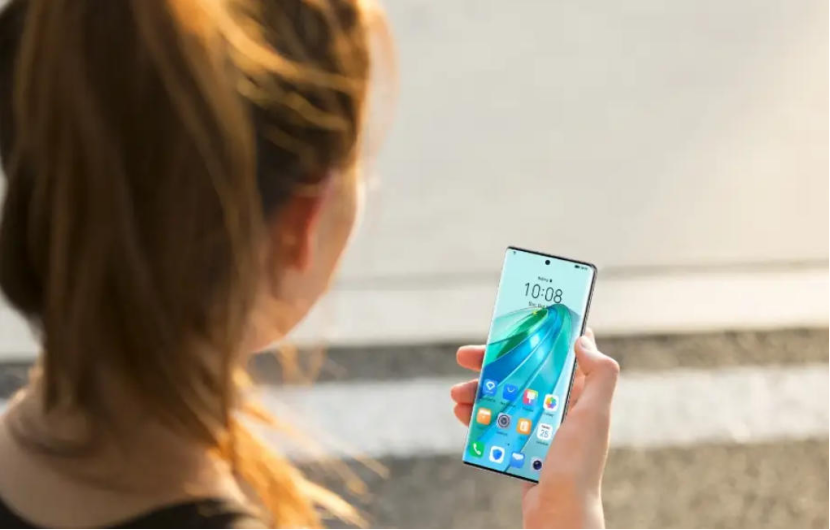
Quick Retrieval Reduces Need for Memory Effort
Instant search results and stored information reduce the need for internal recall. People retrieve information with a tap instead of reconstructing it mentally. This shifts cognitive habits by turning the device into the default recall method. While this makes daily life more efficient, it also decreases opportunities for memory strengthening. The brain performs best when challenged, and internal recall acts as a mental exercise. Devices designed with clear navigation and minimal friction allow users to choose when to rely on memory and when to rely on digital tools, supporting a more balanced recall strategy over time.
Conclusion
Smartphones affect short-term memory recall by reshaping attention, reducing internal rehearsal, and introducing continuous streams of information. These influences do not eliminate memory ability but adjust how often the brain practices and reinforces details. Interruptions, rapid task switching, and digital storage alter encoding and consolidation, making some information easier to forget while freeing mental space for other tasks. When a smartphone presents information clearly and reduces unnecessary friction, it supports smoother recall habits and lowers cognitive stress. Many users appreciate devices that maintain this balance through stable performance and organized layouts. With mindful use, smartphones can serve as helpful tools while still allowing short-term memory to remain active and reliable.